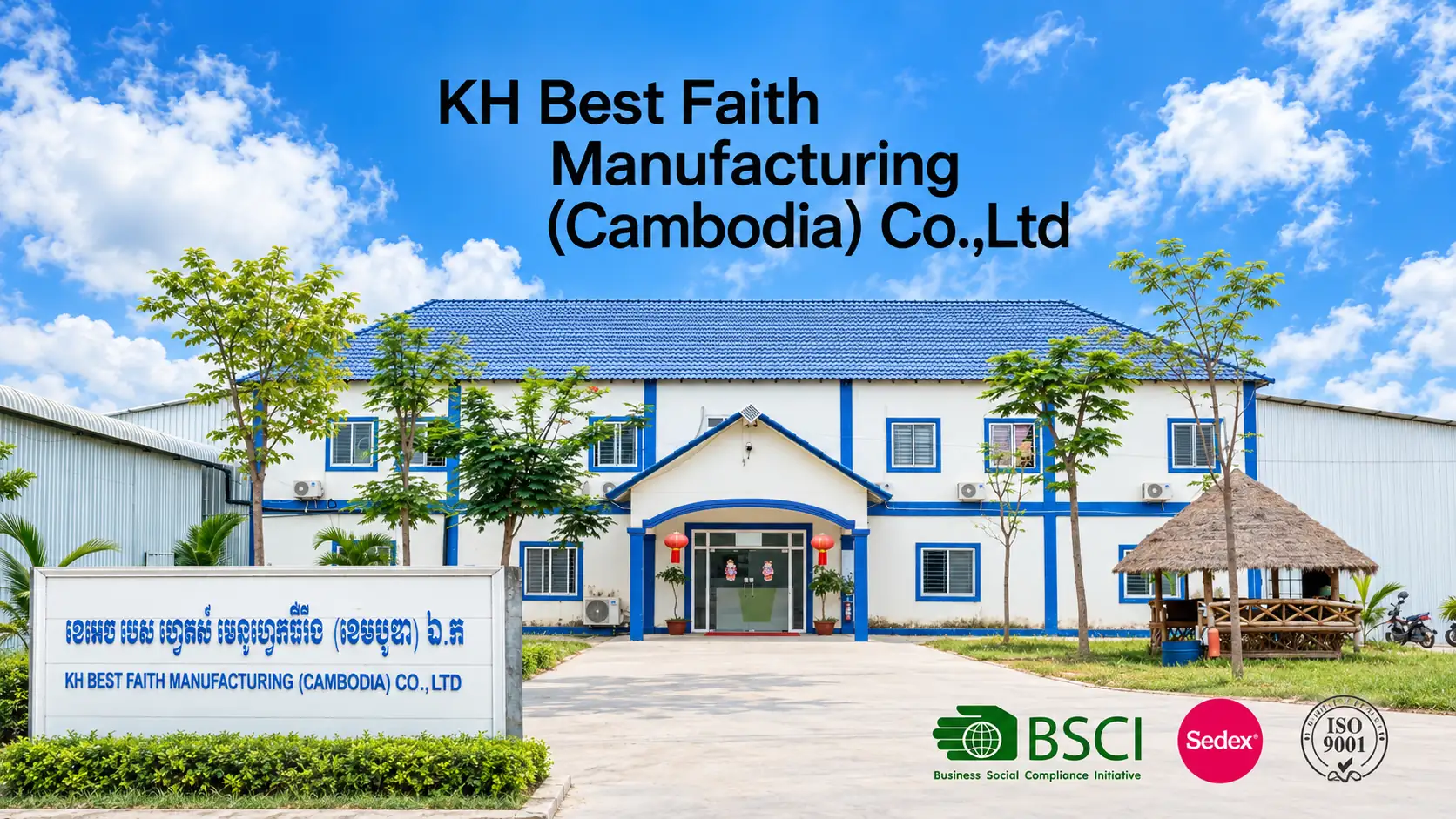
A handbag can be ready for a buyer’s review while the factory is still working out how to repeat the same shape, stitching, and finish across a full production run. A China-Cambodia dual manufacturing model can help brands manage that transition. At Hongri Bag, our Dongguan team develops and samples complex styles and supports material sourcing. Our Cambodia factory, KH Best Faith Manufacturing, handles larger production runs for styles suited to the site. The advantage is the ability to work through design decisions during sampling and carry the approved details into bulk production.
Develop complex styles in Dongguan
Early samples are where a brand can see how a handbag will look, feel, and function. A structured crossbody may need changes to its flap, strap attachment, or reinforcement before it closes cleanly and holds its shape. A new leather or coated fabric may call for a different seam or edge finish. Each change can affect the material specification, pattern, or way the bag is assembled.
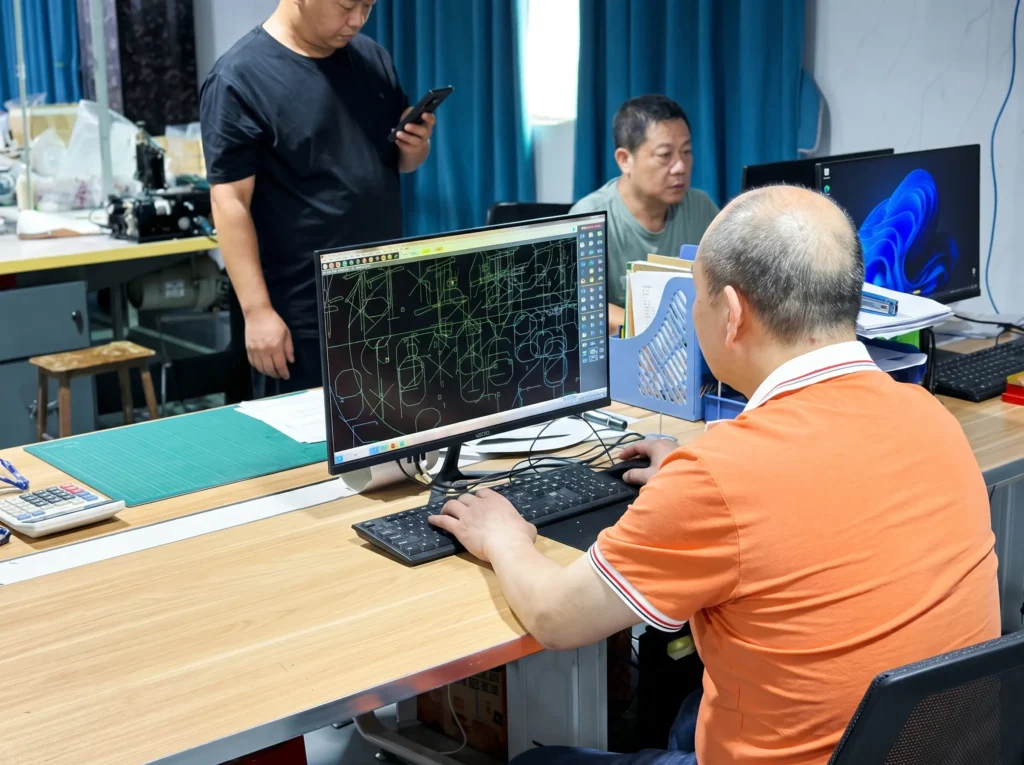
Our Dongguan factory has an in-house sample room that can develop a handbag from a tech pack, drawing, or reference sample. During design and sampling, the team can work with the buyer on materials, hardware, and construction. Ask for each revision to be recorded against a sample version so the final decisions can follow the order into production.
Bring approved styles into bulk production in Cambodia
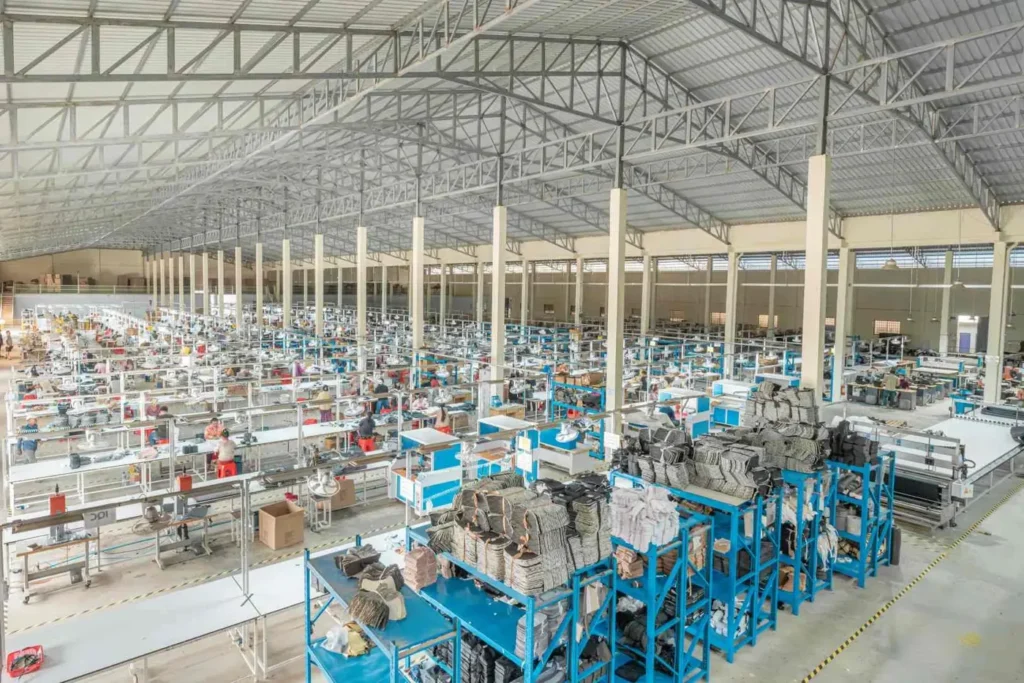
For a style assigned to our Cambodia factory, the engineering team converts production requirements into work instructions before the line starts. The preparation team organizes materials for the line, and the finishing team checks appearance and manages humidity and packing. Dongguan continues to support material sourcing and technical coordination.
The critical step is turning an approved handbag into instructions that the receiving line can follow. A tech pack should show how the bag is built, and an approved sample gives production and quality teams a physical reference. For example, the approval package for a structured crossbody should identify the strap anchor reinforcement, where it sits behind the shell, and how it is stitched. The first bag from the receiving line gives the team a chance to check those details while they can still make corrections.
Control the handover from approved sample to bulk order
When a handbag moves between sites, the buyer should know which version is approved and who can authorize changes. Hongri Bag’s prototype-to-production process uses a controlled handover so purchasing, production, and quality work from the same specifications. For a cross-site order, review three points before production starts.
- Agree on the production reference. Match the approved pre-production sample to the latest bill of materials, patterns, color standards, hardware, and packaging instructions. Flag any differences between the sample and the planned bulk materials so the buyer can approve or test them.
- Review the first unit from the production line. Use the approved sample and drawings to check dimensions, logo position, seam construction, strap reinforcement, and closure function. Agree on the changes needed before the full run proceeds.
- Set the inspection and release criteria. Confirm incoming material checks, in-process inspections, and final sampling for the order. Define who handles a failed inspection and who signs off before shipment. See our quality control process.
A factory social audit serves a separate purpose in supplier approval. If your brand or retailer requests SMETA, ask for the report and corrective action status for the facility named on your production plan. Request product test reports and inspection records for the style separately. Sedex guidance on SMETA audits
Where two manufacturing sites can give buyers more flexibility
The model can help when a brand has a complex style to develop and expects larger orders once the design and materials are stable. It can also give procurement another site to assess for future runs. The value of that option depends on the receiving line’s equipment, available capacity, and buyer approval. If both factories rely on the same custom clasp supplier, for example, a late clasp can still hold up both production plans. OECD Supply Chain Resilience Review
Compare options from sample approval through delivery. Ask when the lead time starts, when materials will reach the production site, how much time the site needs for first-unit approval, and which production window it can offer. Compare quotes at the same volume, specification, packaging, and shipping terms. Include any material transfers, additional testing, inspection, and freight in the comparison. For repeat orders, ask which components have long lead times and whether the approved finish or color can be purchased again.
Five questions to ask before placing a handbag order
- Where will this SKU be made? Ask for the facility name, planned production window, and any operations handled off-site.
- What carries over from sampling? Ask for the sample version, approved materials and suppliers, and the process for approving substitutions.
- What will the production line have to prove? Agree on the first-unit checks and request the inspection plan for the critical seams, hardware, and functional features.
- What controls the ship date? Ask for dates for material arrival, line start, final inspection, and shipment, along with the owner of each milestone.
- What would it take to move a reorder? Ask which materials, line trials, tests, and site approvals would need to be in place first.
Planning a new collection or a larger repeat order? Share your tech pack or reference sample, quantities by style and color, target market, and delivery window. Ask Hongri Bag to review your manufacturing plan, including where to develop the sample, which site fits the bulk order, and how to carry the approved specifications into production.