
Manufacturer of Custom Shoulder Bags
We develop classic shoulder bags around how they’ll be worn and what they need to carry. Start with your sketch, tech pack or reference sample. Our in-house sample room can help refine the silhouette, strap drop, closure and pocket layout before production.
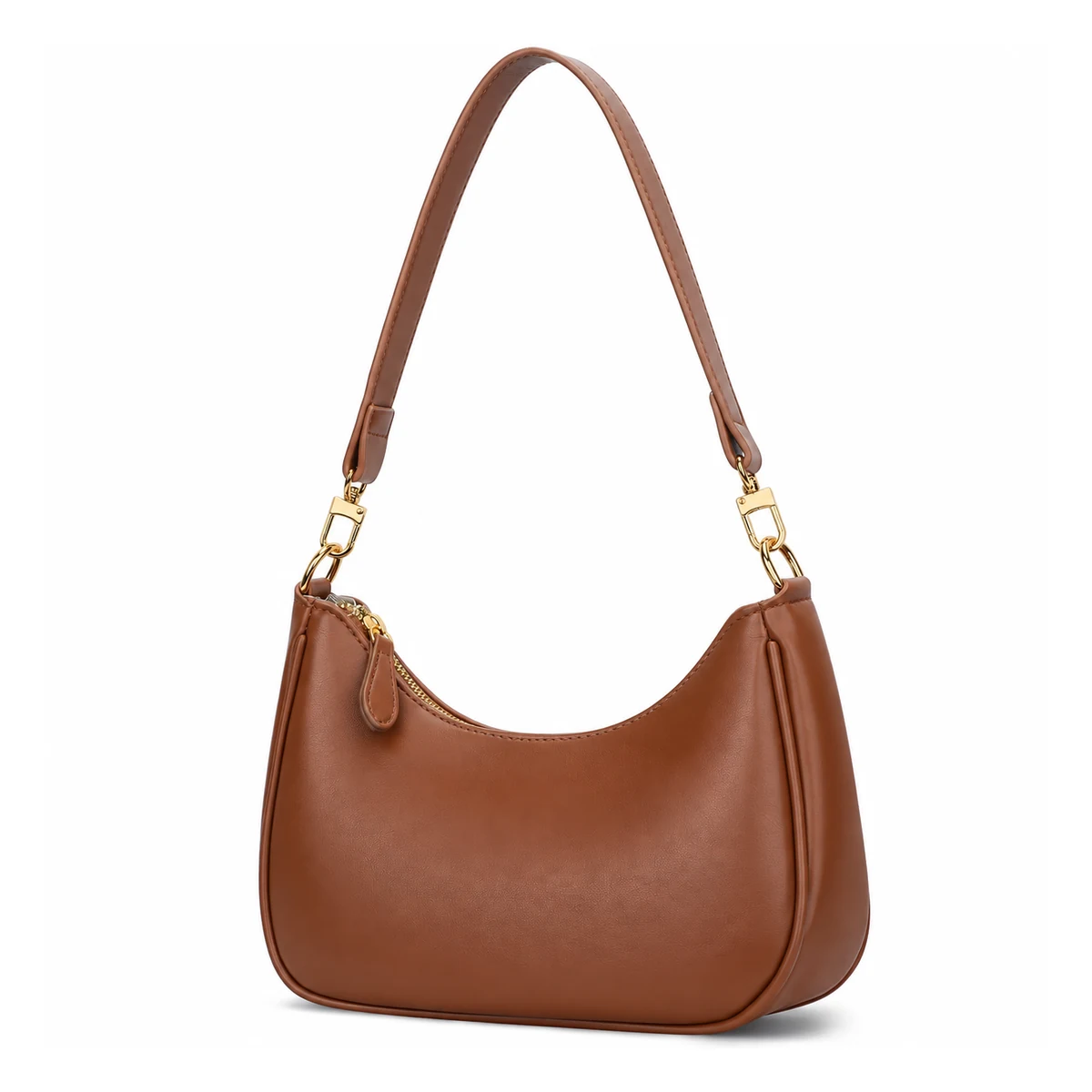
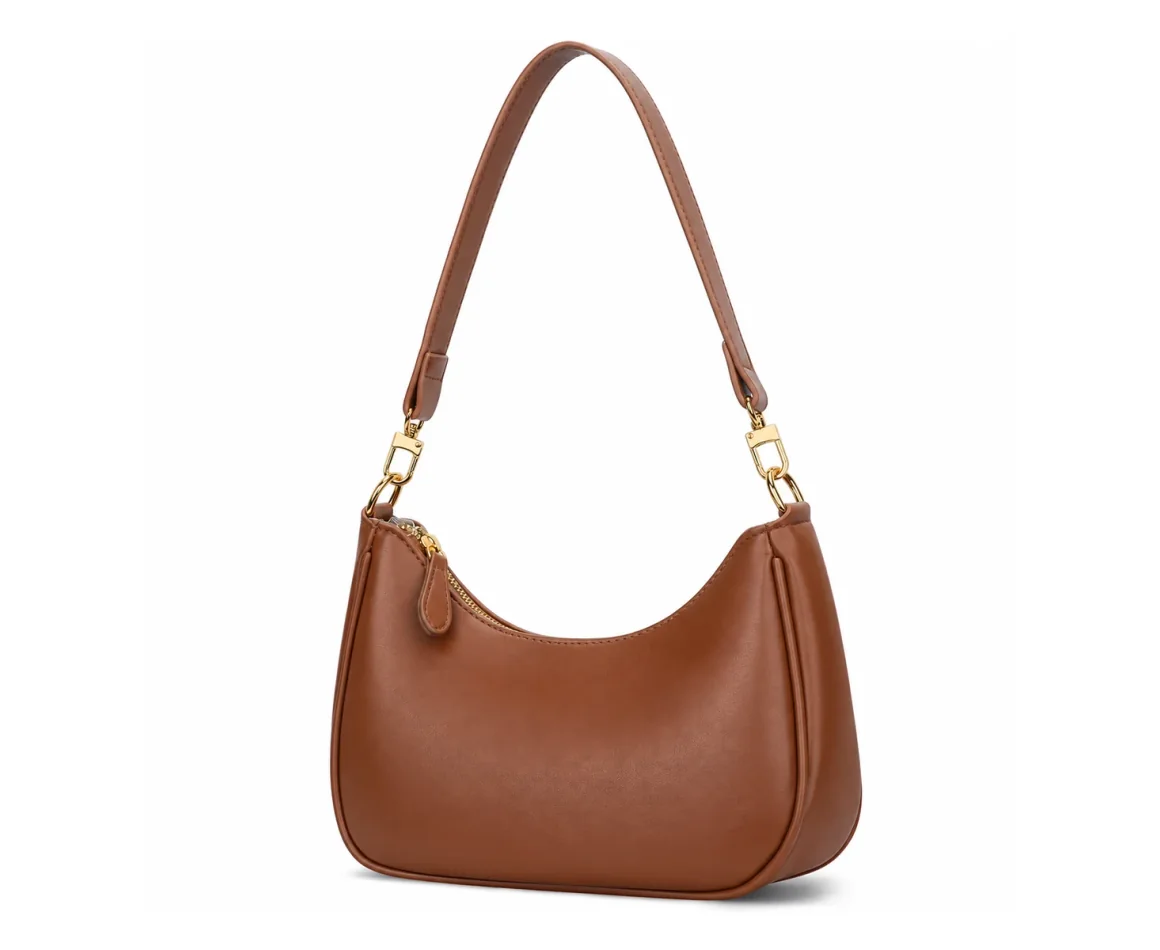
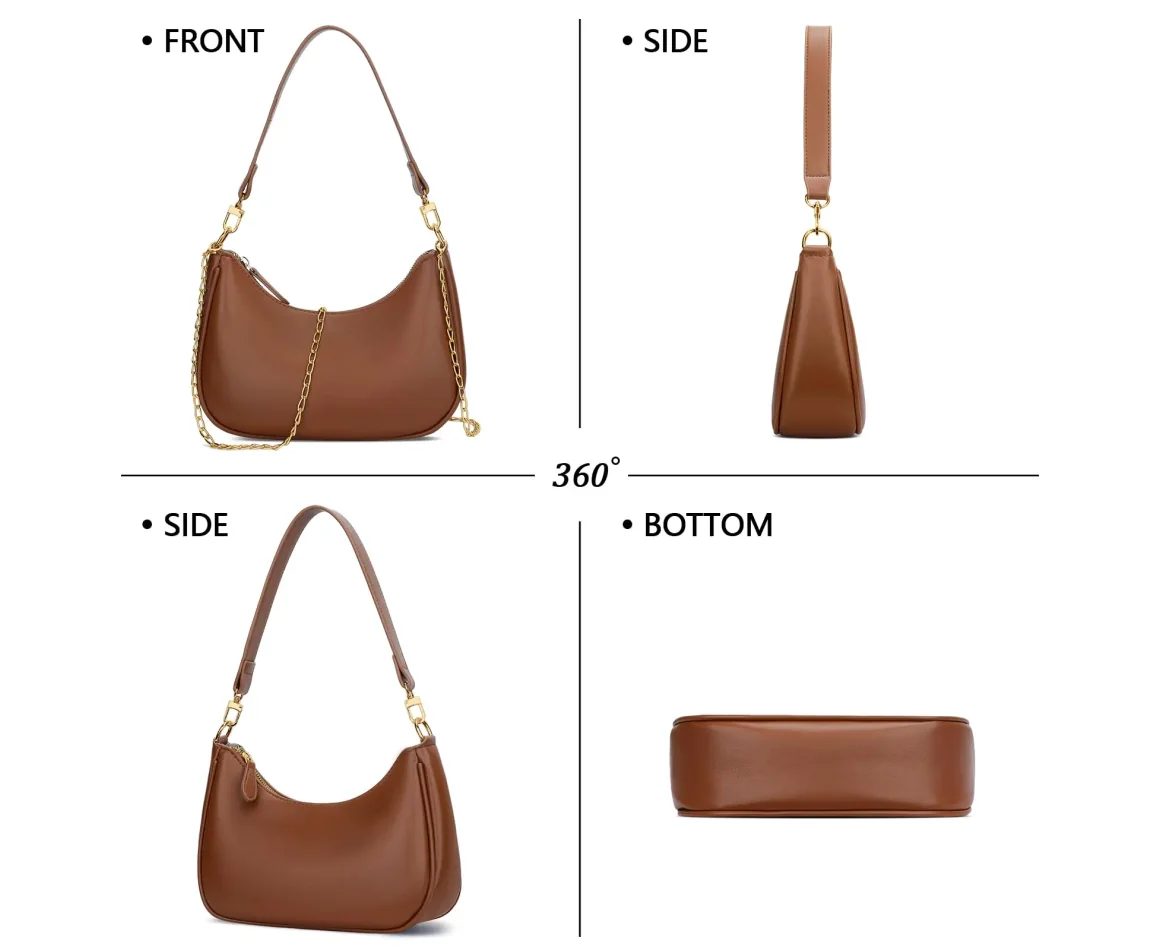
Classic Shoulder Bags
A classic shoulder bag sits under the arm on a single strap. A shallower body stays closer to the wearer. A deeper side gusset gives bulkier items more room but also makes the bag project farther from the body. We can adjust the body depth and strap drop together so the bag still sits where you want it when filled.
Sample caption: Classic shoulder bag sample with a top zip and a shaped side gusset.
Production Details
- 1 Confirm bag shape and dimensions
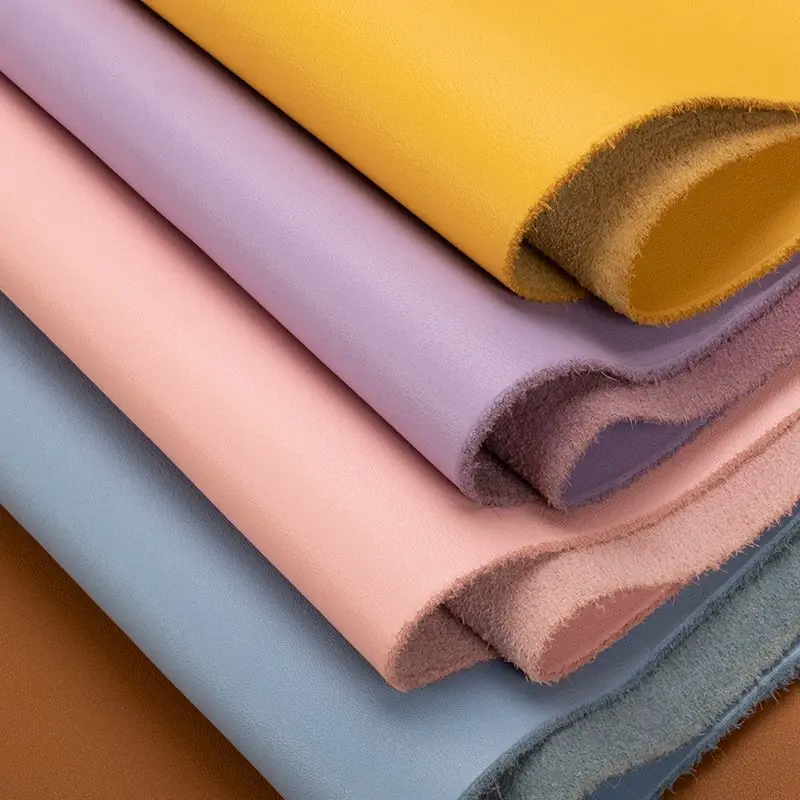
- 2 Verify fabric thickness, color, and gloss
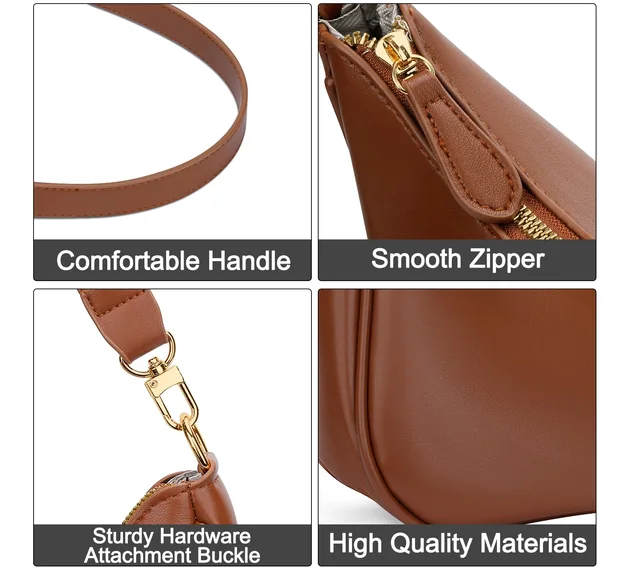
- 3 Ensure smooth zipper installation along the curved opening
- 4 Maintain a tapered side gusset (narrow at the top, wide at the bottom) and ensure symmetrical bottom corners
- 5 Confirm the short shoulder strap and overall comfort
- 6 Hardware and attachment point load-bearing capacity
- 7 Stitching, piping, and edge painting
- 8 Lining and interior pockets
How to Specify the Fit of a Shoulder Bag
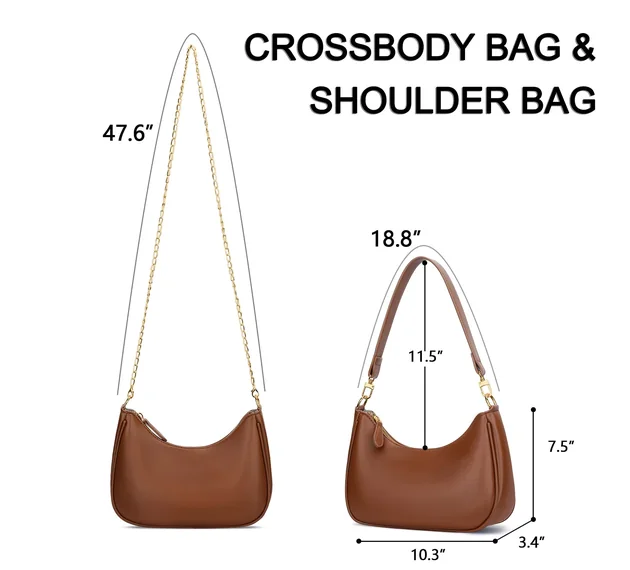
Strap drop · Usable opening · Gusset depth
Strap drop
A shorter drop keeps the bag higher under the arm. A longer drop can make it easier to wear over a jacket.
Measure the vertical distance from the inside top of the strap to an agreed point on the bag opening. Check the bag on the shoulder with its intended load.
Opening and depth
External width describes the silhouette. The usable opening and gusset depth determine what can pass through and sit inside.
Put the largest intended item through the finished opening. Check that the bag closes with the other everyday items inside.
Zip or magnetic snap
A top zip closes along the opening. A magnetic snap gives quicker access and typically leaves space on either side of the closure.
Try opening and closing the bag while it’s worn. Check access with the bag filled.
Pocket layout
A slip pocket keeps frequently used items easy to reach. A zip pocket gives small loose items a closed compartment.
Check that the pocket opening fits the intended item and that filled pockets leave enough room in the main compartment.
| Design decision | What to compare | What to check on the sample |
|---|---|---|
| Strap drop | A shorter drop keeps the bag higher under the arm. A longer drop can make it easier to wear over a jacket. | Measure the vertical distance from the inside top of the strap to an agreed point on the bag opening. Check the bag on the shoulder with its intended load. |
| Opening and depth | External width describes the silhouette. The usable opening and gusset depth determine what can pass through and sit inside. | Put the largest intended item through the finished opening. Check that the bag closes with the other everyday items inside. |
| Zip or magnetic snap | A top zip closes along the opening. A magnetic snap gives quicker access and typically leaves space on either side of the closure. | Try opening and closing the bag while it’s worn. Check access with the bag filled. |
| Pocket layout | A slip pocket keeps frequently used items easy to reach. A zip pocket gives small loose items a closed compartment. | Check that the pocket opening fits the intended item and that filled pockets leave enough room in the main compartment. |
Choose Materials and Details for Your Collection
Body Material and Structure
We can develop shoulder bags in leather or PU. We can also review suede and fabric options for a specific design. Compare the materials as assembled samples. A swatch gives you the surface feel and colour, while the finished sample shows how the outer material, lining and reinforcement work together to shape the bag.
Hardware, Lining and Branding
We can review strap width and attachment, hardware finish, lining, pocket placement and logo application as part of the same development project. One suede shoulder bag sample uses two storage compartments, a zip pocket and a slip pocket. For a slimmer profile, review a single main compartment with a pocket sized for the items that need to stay within reach.
What We Check Before Production
Check the Carry Fit on a Physical Sample
A bag can look right in a drawing and still sit too high on the shoulder or become awkward to open once filled. Our in-house sample room works from drawings and reference samples. During sample review, we can adjust the strap drop, opening and pocket layout together so you can assess the fit on the assembled bag.

Carry Approved Details into the Production Specification
Two hardware finishes can look similar on their own and read differently against the finished bag. We use the approved sample and production specifications to document the selected materials, hardware, measurements and construction. Inspection points can include strap attachment, stitching, closure operation and hardware placement, according to the agreed order requirements.
Sampling and Order Questions
Can we start with a reference sample before the tech pack is complete?
How do material and hardware choices affect the order minimum?
What should we approve before placing a production order?
What is your typical production lead time?
Do you offer OEM and ODM customization services?
What certifications do your manufacturing facilities hold?
Can you source custom hardware with our brand logo?
What is your monthly production capacity?
Request a Quote for Custom Shoulder Bag
Share the style you’re developing, your preferred material and approximate order quantity. If you have a sketch or sample, describe what you’d like to keep or change. We’ll use those details to discuss development options, sampling and the information needed for a quote.