
Materials & Finishes for Your Bag Collection
Explore leather, synthetic materials and fabrics for your next bag collection. Share your preferred look, product use and target cost so we can discuss a suitable material direction and the details to confirm during sampling.
Have a reference bag or material swatch? Include it in your project brief.
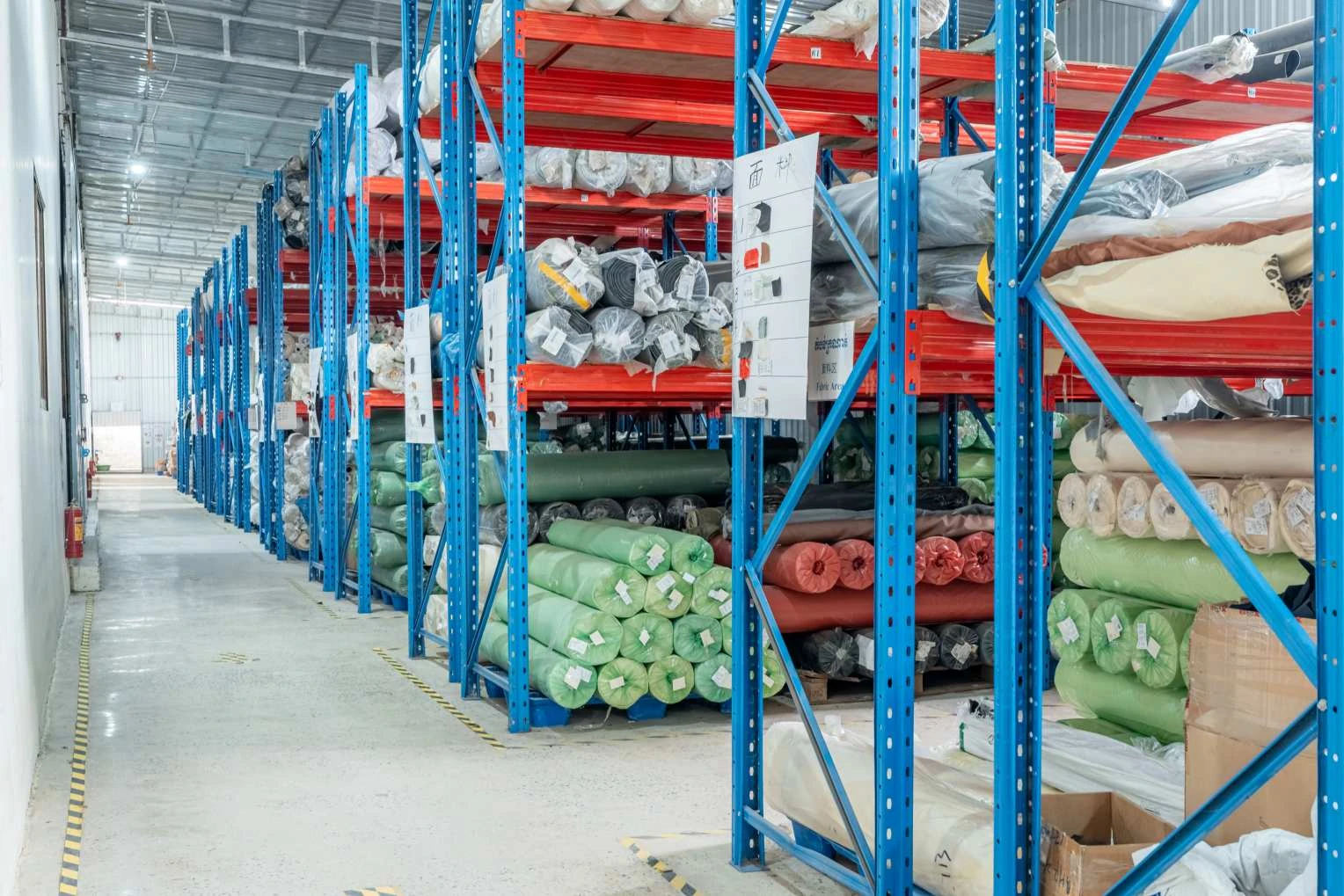
Explore Materials for Your Next Collection
Start with a material family, then refine its thickness, texture, color and feel around your bag design. Specific options and availability will be reviewed for your project.
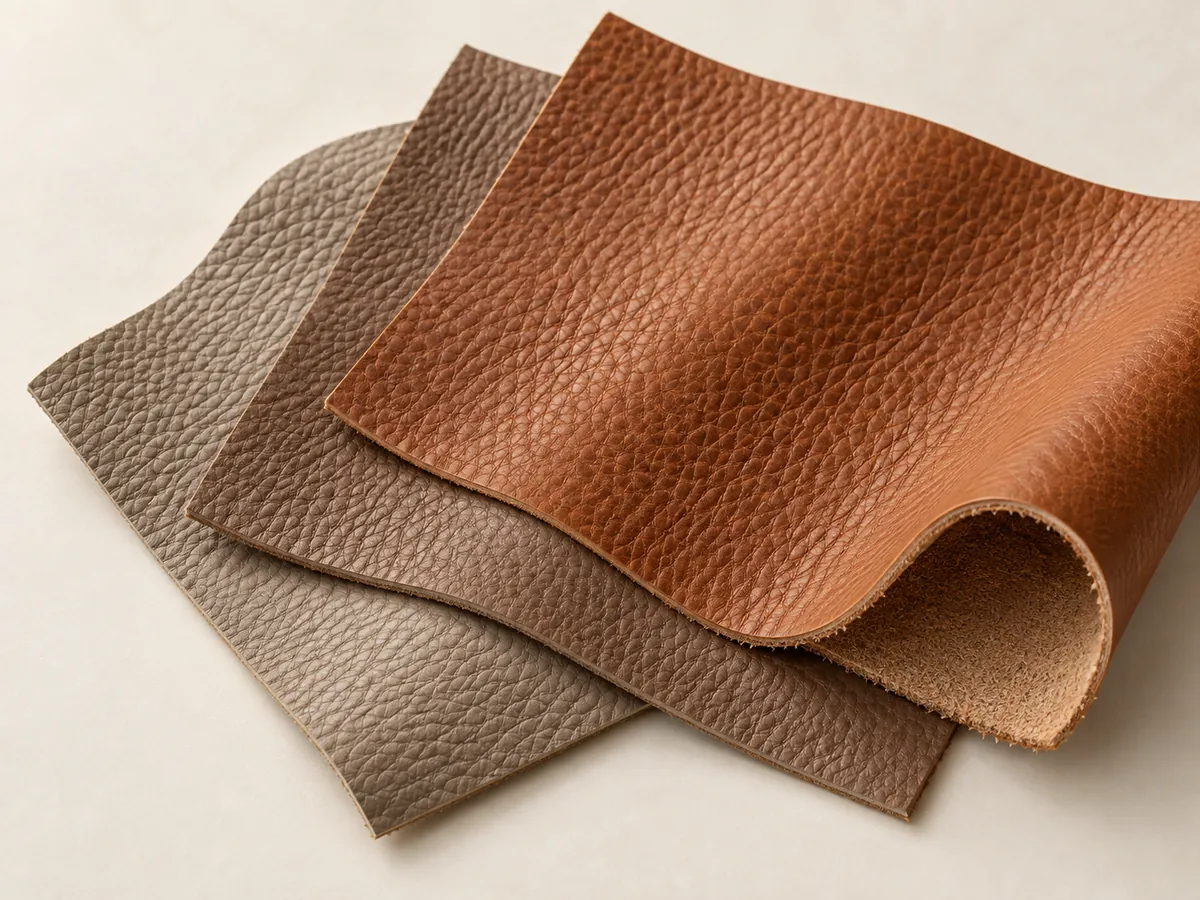
Genuine Leather
Discuss a leather direction around the appearance, feel and structure you want for your collection.
Leather type, thickness, surface finish, color and acceptable variation.
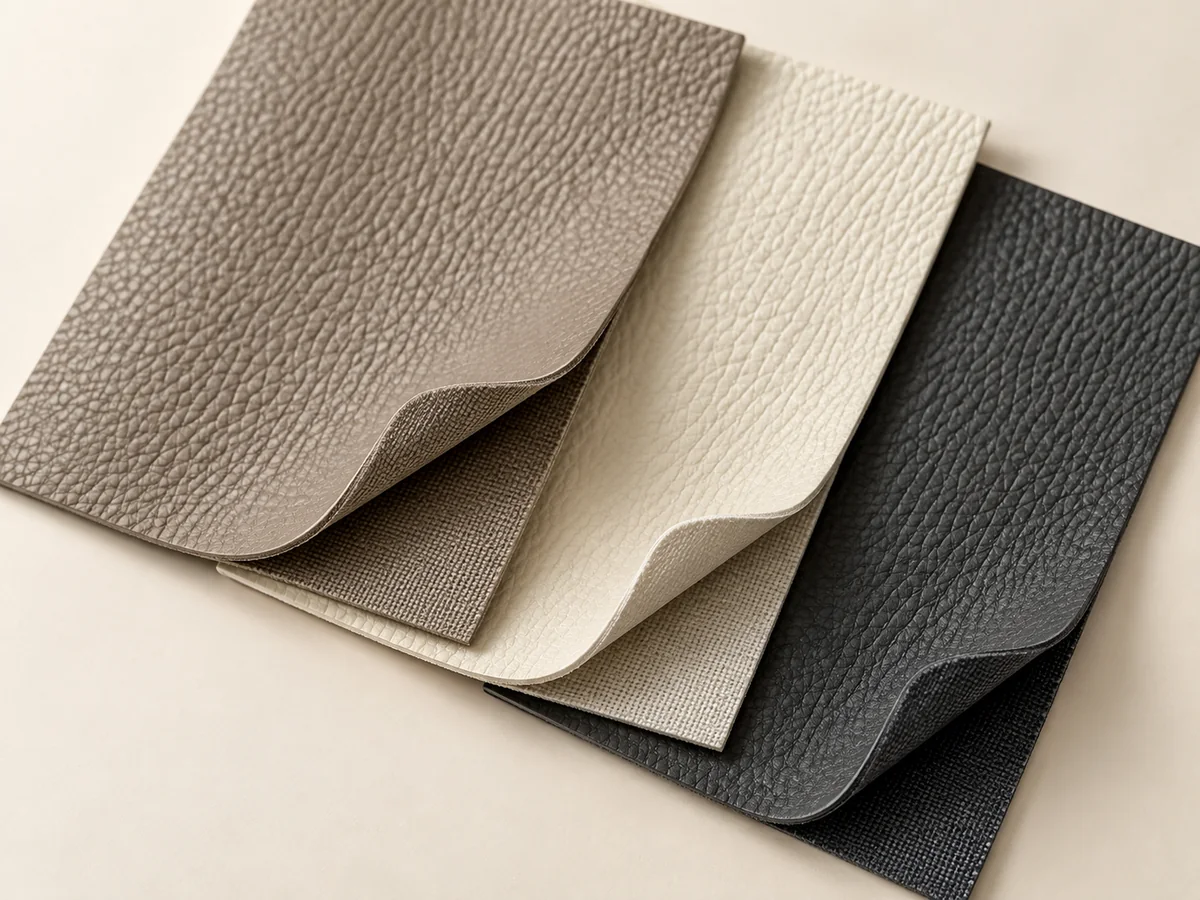
PU Materials
Explore a PU material direction with attention to its surface appearance and how it works with your bag construction.
Backing, thickness, grain, flexibility and finish.
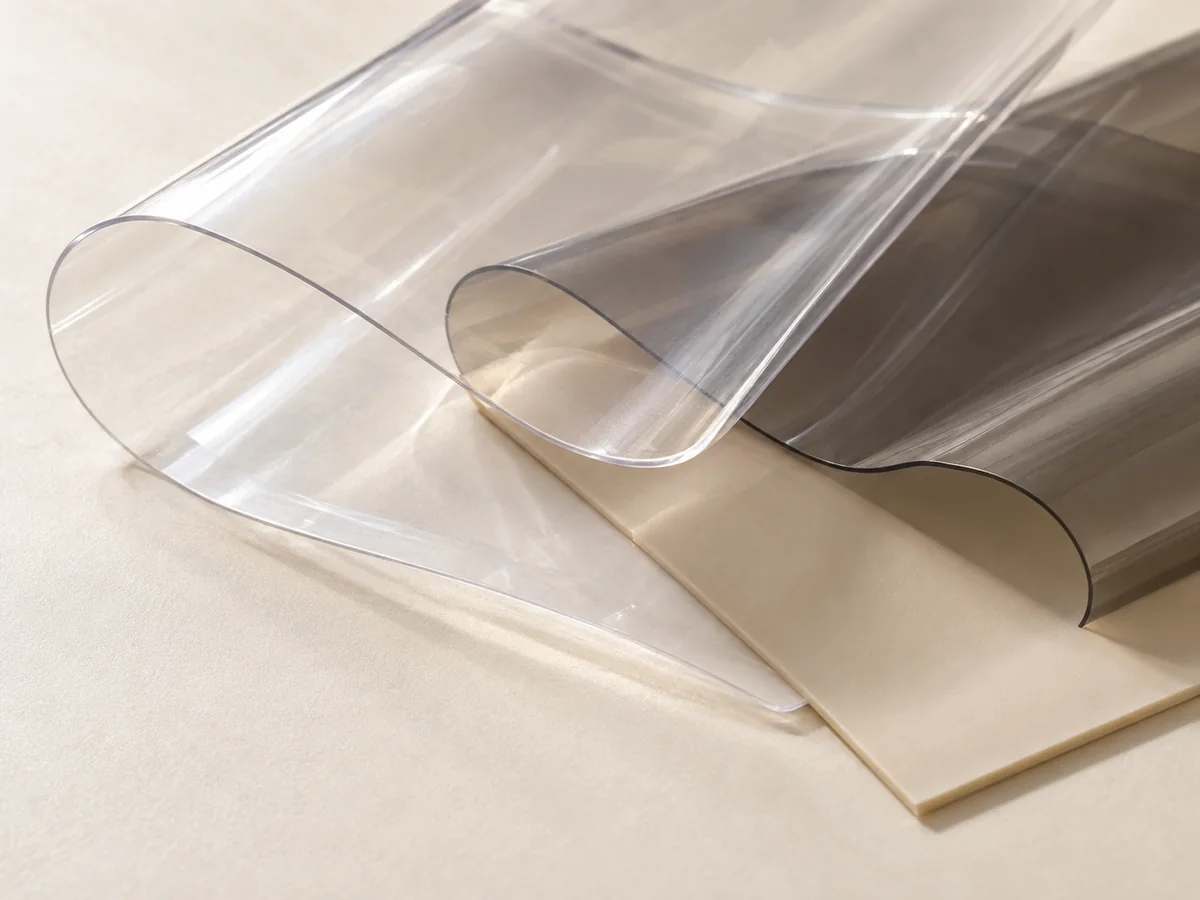
PVC Materials
Review PVC material requirements for your design, including the visual effect and construction details.
Thickness, transparency or opacity, flexibility, color and construction.
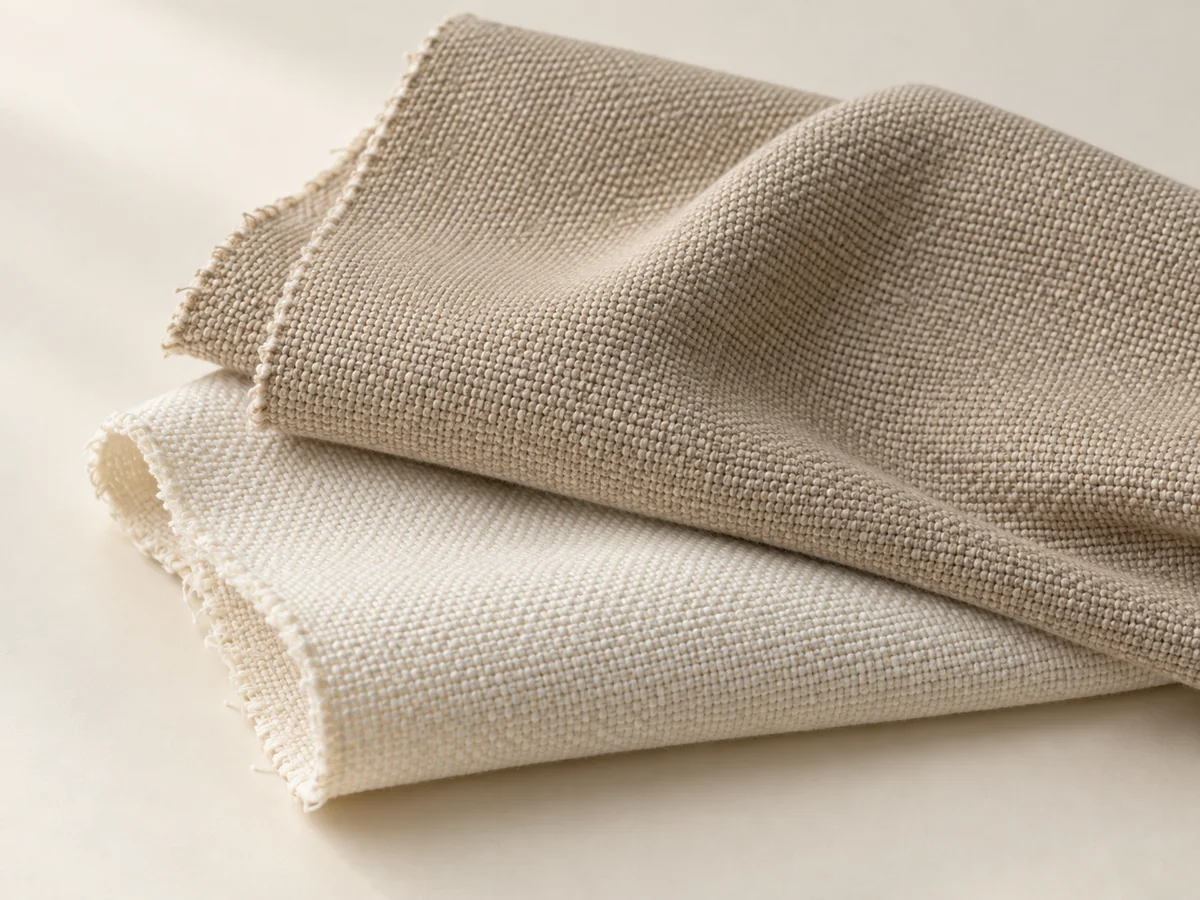
Canvas
Define a canvas direction around the fabric texture and the body you want your finished bag to have.
Composition, weave, weight, color and finishing requirements.
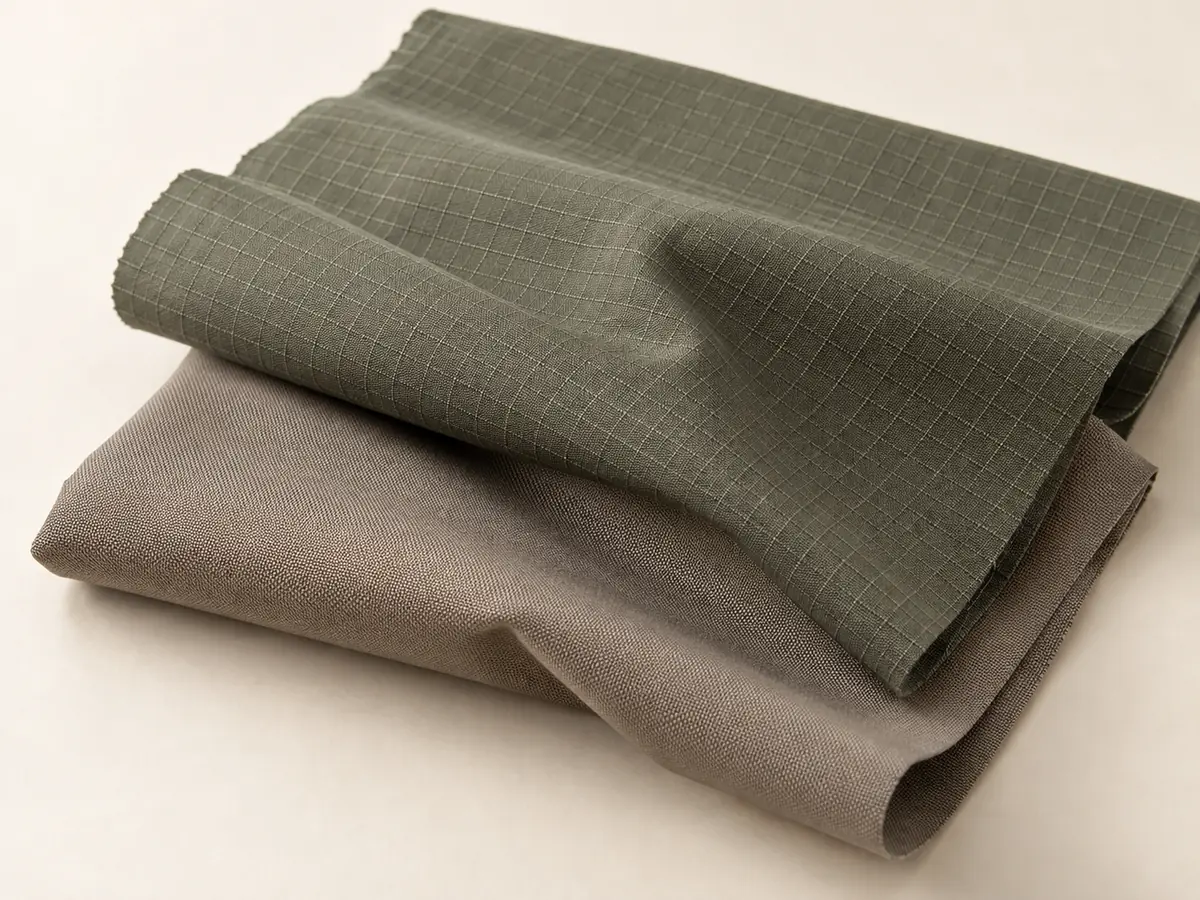
Nylon
Discuss nylon options around your product’s intended use, appearance and construction.
Fabric specification, weight, texture, lining and treatment requirements.
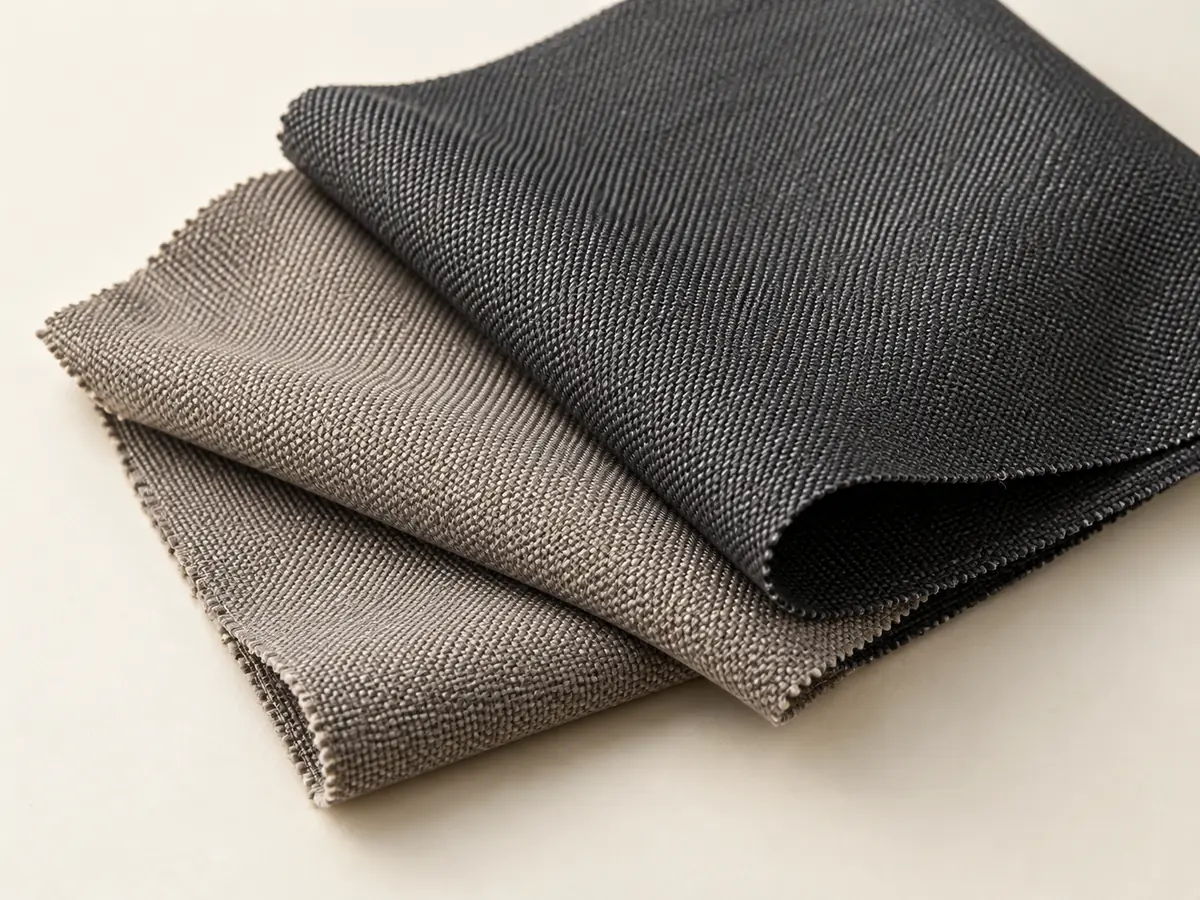
Polyester
Review polyester fabric requirements for the look and construction of your next bag collection.
Fabric specification, weave, weight, color and finishing requirements.
Define the Look and Feel of Your Bag
The overall appearance comes from more than the main material. Coordinate the surface, stitching, edges and components around your collection.
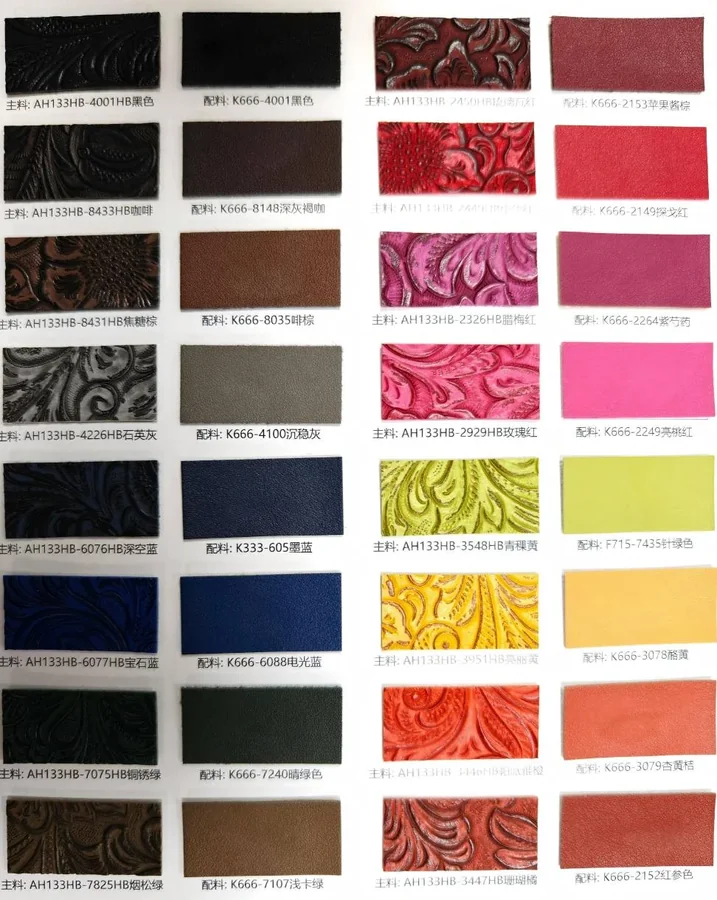
Color & Surface Texture
Share a color reference and the surface character you want. Review color, grain, sheen and hand feel using physical references.
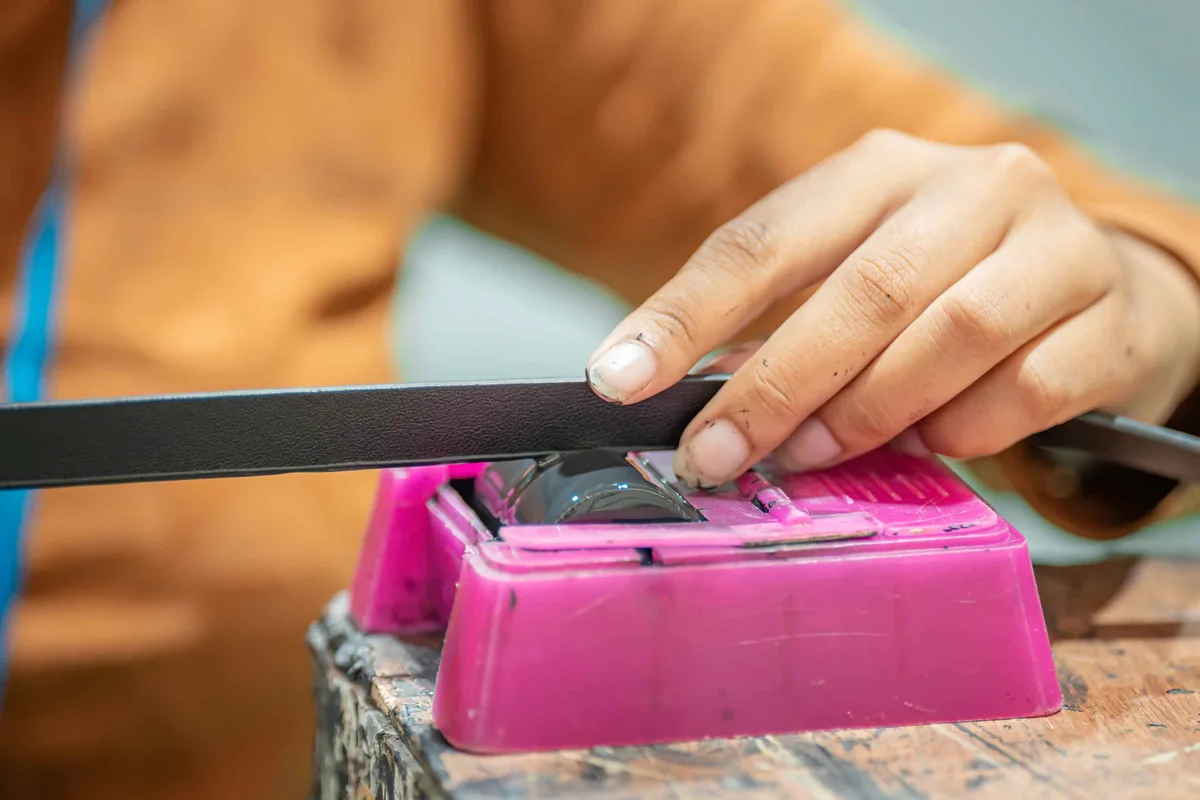
Stitching & Edge Details
Define thread color, visible stitching and edge treatment around the material and construction of your bag.
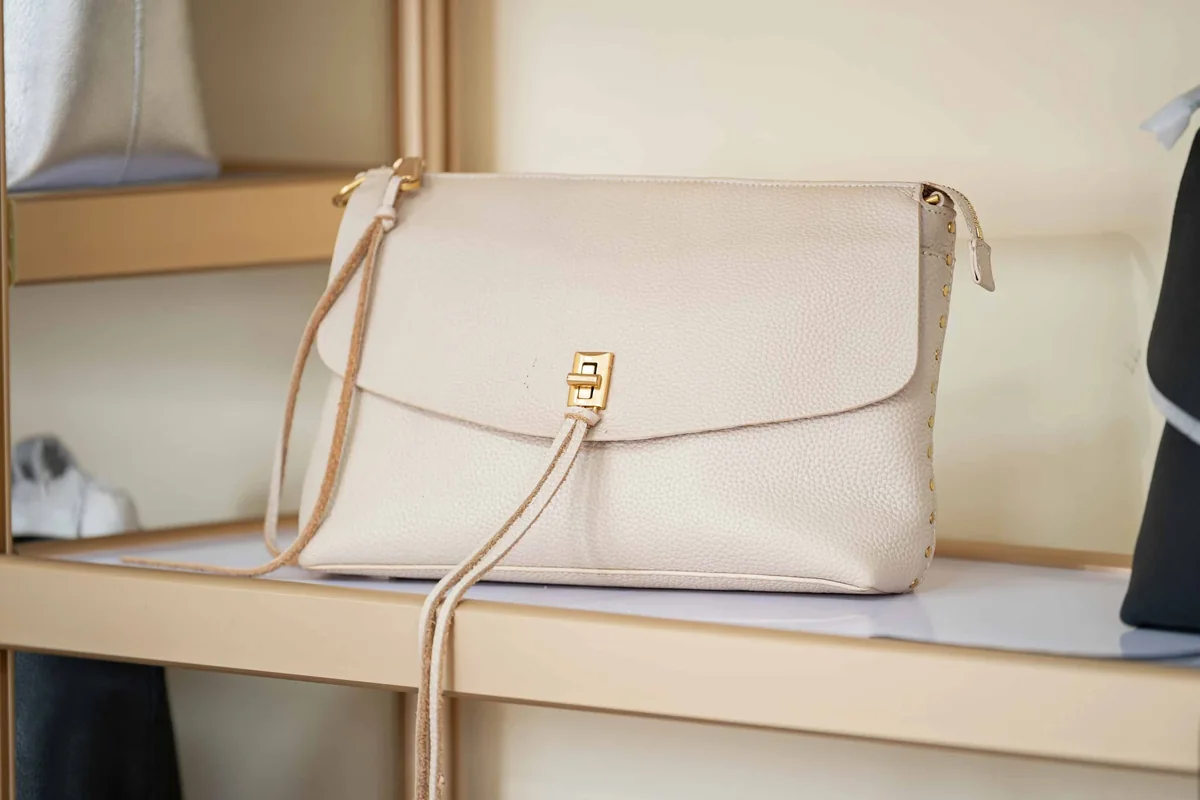
Hardware & Closures
Coordinate the appearance of zippers, buckles and closures with your main material. Share reference details for review.
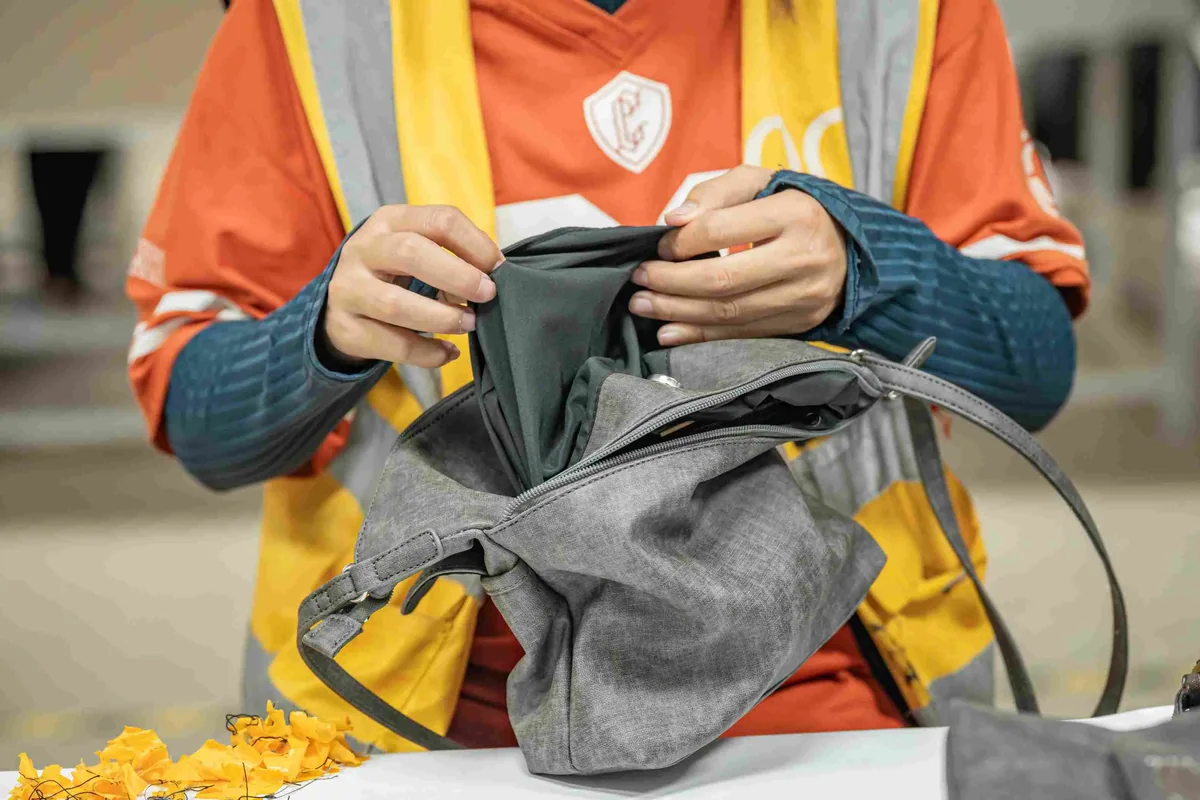
Lining & Brand Details
Discuss the interior material and the placement of brand details. Embossing and embroidery can be reviewed against the selected material and design.
Note: Final details should be confirmed on physical references or samples. Screen images are useful for direction, but do not confirm exact color, texture or hand feel.
Choose Materials Around Your Product Brief
You do not need to know every technical specification before contacting us. A clear product brief gives us a useful starting point.
Product Use
Tell us who will use the bag and what it needs to carry.
Shape & Construction
Share whether you want a soft, flexible form or a more structured shape.
Look & Feel
Include references for color, texture, surface finish and hand feel.
Cost & Order Plan
Share your target unit cost, estimated quantity and launch schedule, if available.
Specific Performance or Documentation Requirements?
Include any water resistance, wear performance, restricted-substance or material documentation requirements in your brief. We will review what is relevant and available for the proposed material.
Confirm the Details with Physical References
Material selection and bag sampling work together. Agreeing on physical references helps make the intended result clearer.
— Share Your Direction
Send a reference bag, material image, specification or physical swatch details together with your product brief.
— Review Material Details
Discuss available options and confirm the color, thickness, texture and components that matter to your project.
— Review Them in a Bag Sample
Assess the selected materials in the actual construction, including shape, feel, stitching and finishing details.
Material Selection Questions
Can I send a material swatch or reference bag?
Can you work with a specific color reference?
How do materials affect price and minimum order quantities?
Can I request materials with specific testing requirements?
What if I have not chosen a material yet?
How long does material selection take?
Tell Us About Your Material Requirements
Send your bag concept, material preferences or reference images. You can start with an idea and refine the specifications with us.