
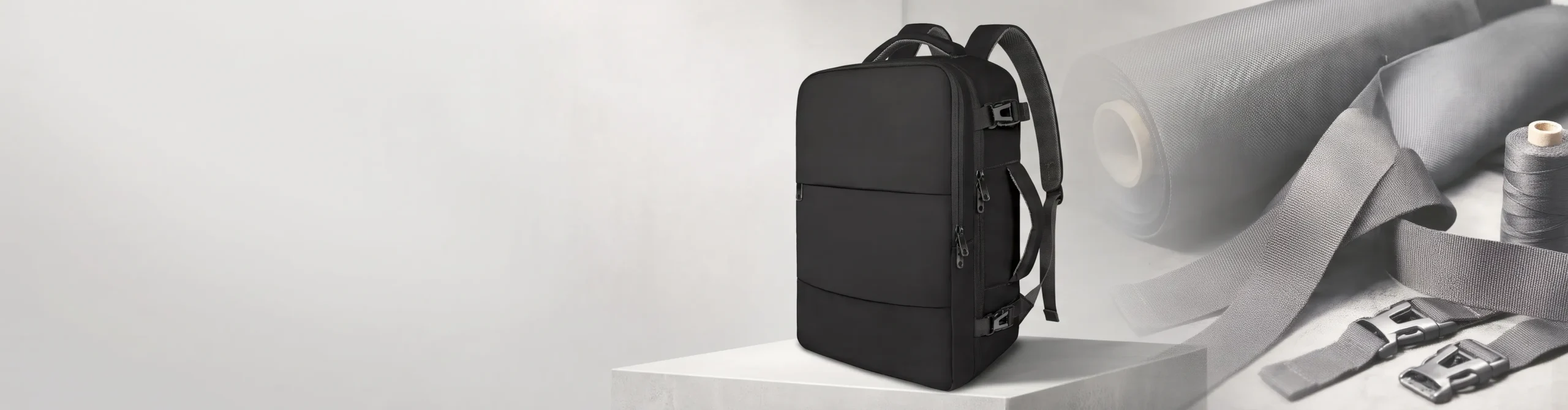
Manufacturer of Custom Travel Backpacks
We develop business travel backpacks that carry a laptop, work accessories, and a change of clothes in one bag. Our in-house sample room works from sketches, tech packs, or reference samples to develop the laptop access, clothing compartment, and carry setup around your range.
Business Travel Backpacks
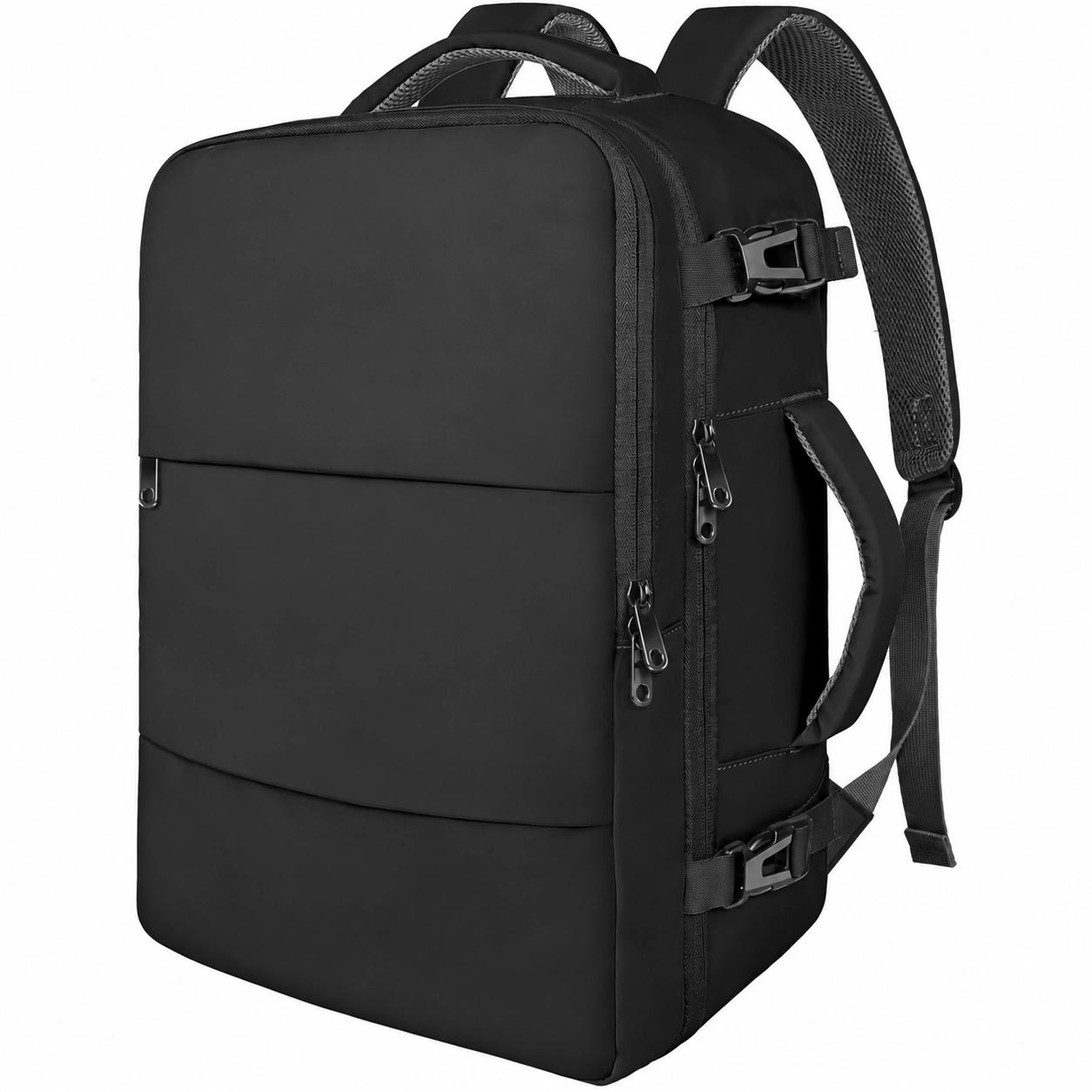
Travel Backpacks
Build the layout around two things travelers do at different times. They take out their laptop during the journey, then open the main compartment to unpack at their destination. The two areas can have separate access, or the laptop sleeve can sit inside the main opening for a simpler construction.
Laptop access
Choose where the laptop comes out and check that the opening is usable with the bag packed for a trip.
Clothing storage
Reserve one continuous area for folded clothes or a packing cube. Keep bulky chargers and adapters out of that space.
Choose How the Laptop and Clothing Compartments Open
| Layout | When it makes sense | What to check on the sample |
|---|---|---|
| Separate laptop access | Useful when travelers need to take out a laptop while the clothing compartment stays closed. | Pack the main compartment first. Check that the laptop clears the zipper opening and goes back in without having to rearrange the clothes. |
| Laptop sleeve inside the main compartment | Useful when laptop access is less frequent and a single main opening is preferred. | Check how far the bag needs to open to reach the laptop. Make sure a packing cube or folded shirt does not block the sleeve. |
Useful when travelers need to take out a laptop while the clothing compartment stays closed.
Pack the main compartment first. Check that the laptop clears the zipper opening and goes back in without having to rearrange the clothes.
Useful when laptop access is less frequent and a single main opening is preferred.
Check how far the bag needs to open to reach the laptop. Make sure a packing cube or folded shirt does not block the sleeve.
Match the Main Opening to the Packing Routine
A wide panel opening makes it easier to lay out clothes or lift a packing cube straight out. A top opening lets travelers reach in while the bag stays upright. Use the intended packing list to check which opening makes better use of the space.
Check the Fit With the Bag Packed
A Laptop Sleeve Can Fit the Device and Still Be Hard to Use
Check the laptop’s width, height, and thickness with its usual case on. On the sample, check the usable space inside the sleeve and the clear opening after the padding and zipper are installed. We can adjust the sleeve dimensions and opening position around the device you specify.
Chargers Can Take Space Away From Folded Clothes
A deep accessory pocket can press into the main compartment when filled. We can position the charger and cable pockets around the load so you can see how much clear packing space remains.
A Packed Bag Can Carry Differently Than an Empty Sample
Use a representative load of clothing and equipment to check shoulder strap adjustment, grab-handle clearance, and how the bag hangs. If overhead-bin use is part of the brief, measure the closed, packed sample at its widest points against the operating airline’s current allowance.
What We Can Customize
From the Approved Sample to Production
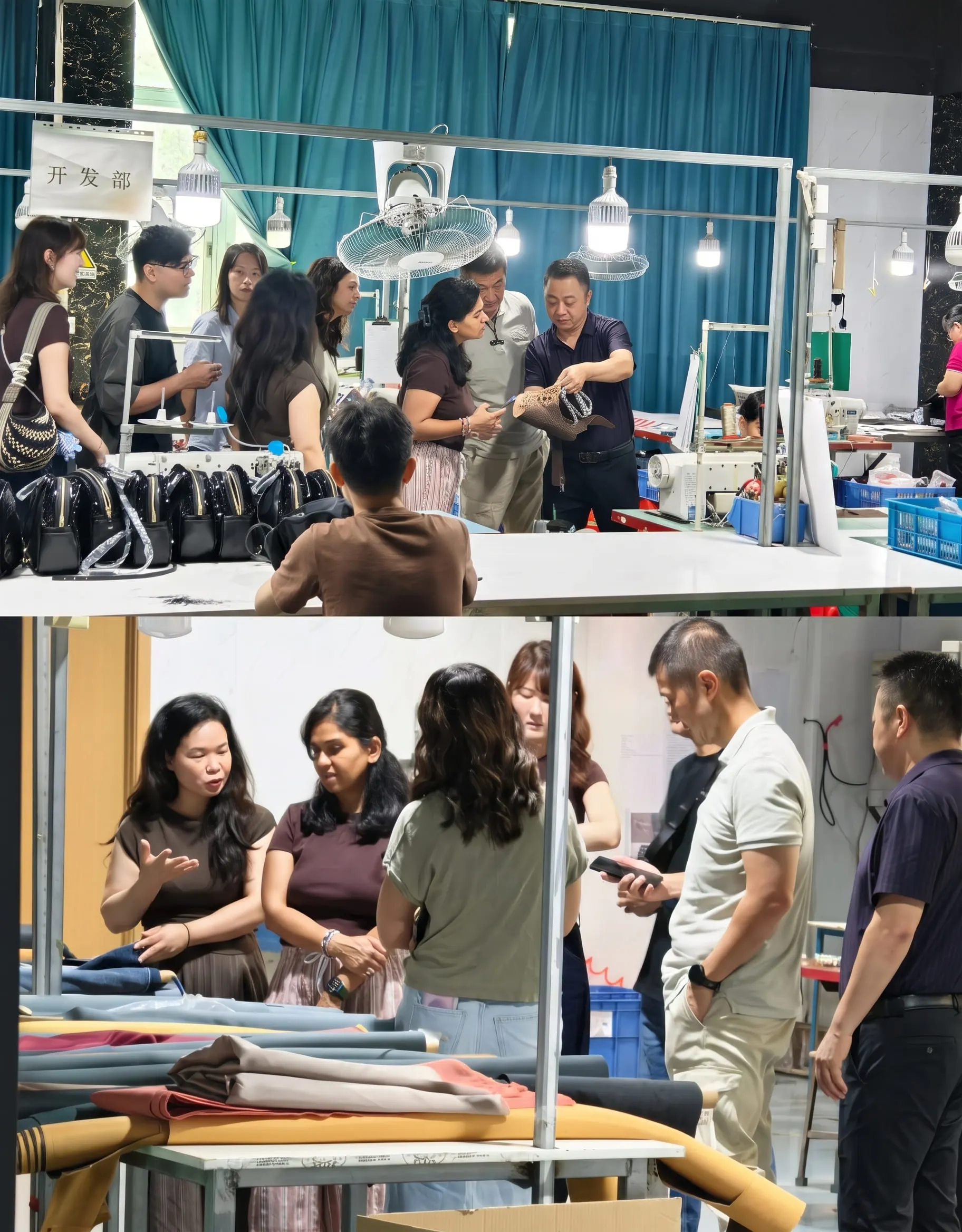
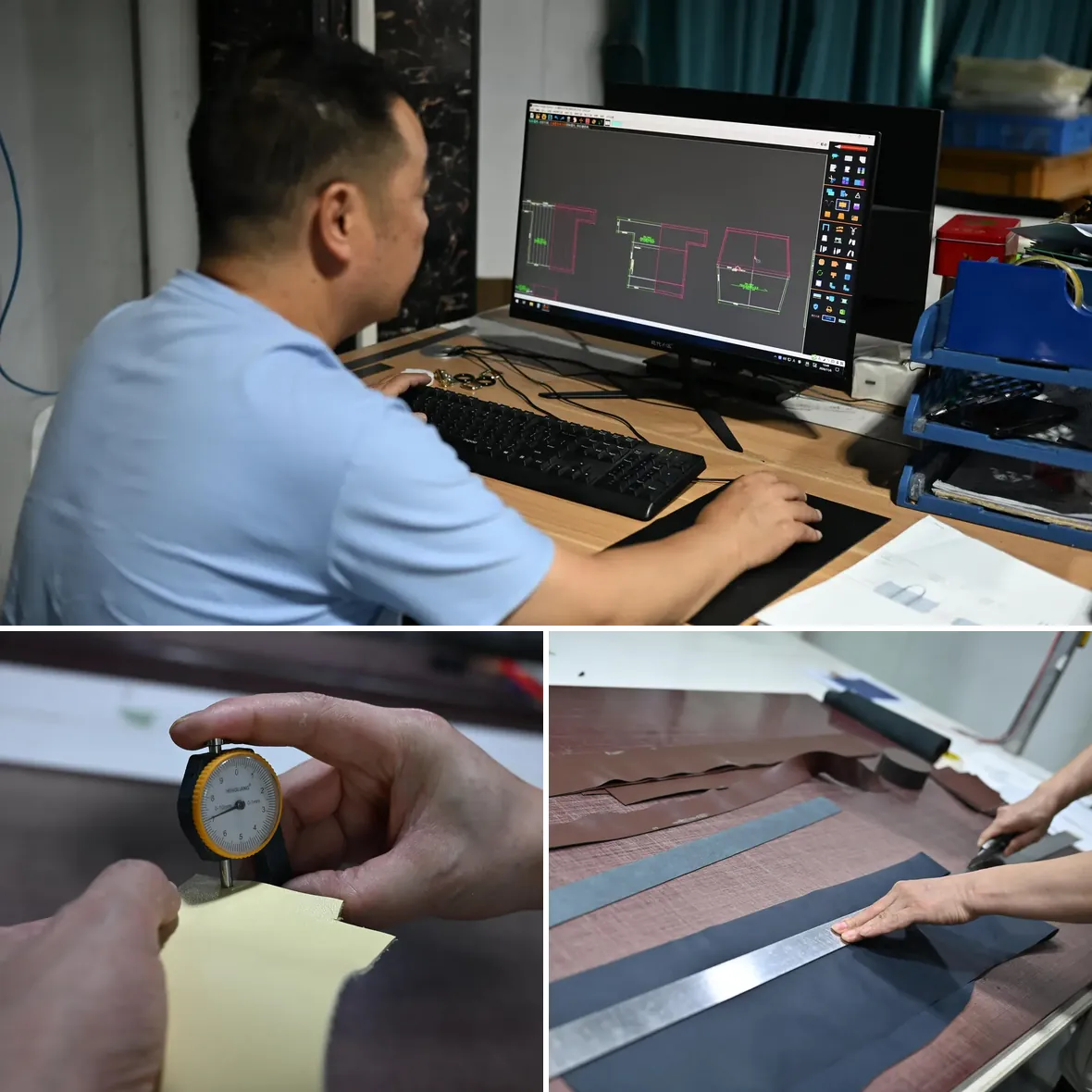
Our Dongguan sample room develops the pattern and builds a sample for review. With the bag packed, you can check laptop removal, clothing access, pocket placement, and carrying comfort before approving the construction.
We use the approved sample and agreed specification to guide production. We check incoming materials and hardware, review sewing and assembly during production, and inspect finished bags against the agreed dimensions, function, labeling, and packing requirements.
Frequently Asked Questions
Find clear answers about our handbag manufacturing processes, OEM/ODM customization capabilities, and production standards.
What is your minimum order quantity (MOQ)?
Do you provide prototyping services?
What certifications do your factories hold?
Can you source specific materials for our brand?
What is the standard lead time for mass production?
Do you handle shipping and logistics?
Have a specific requirement not listed here?
Request a Quote for Custom Travel Backpacks
Share the style you’re developing, your preferred material and approximate order quantity. If you have a sketch or sample, describe what you’d like to keep or change. We’ll use those details to discuss development options, sampling and the information needed for a quote.